Latest posts


Dec 02
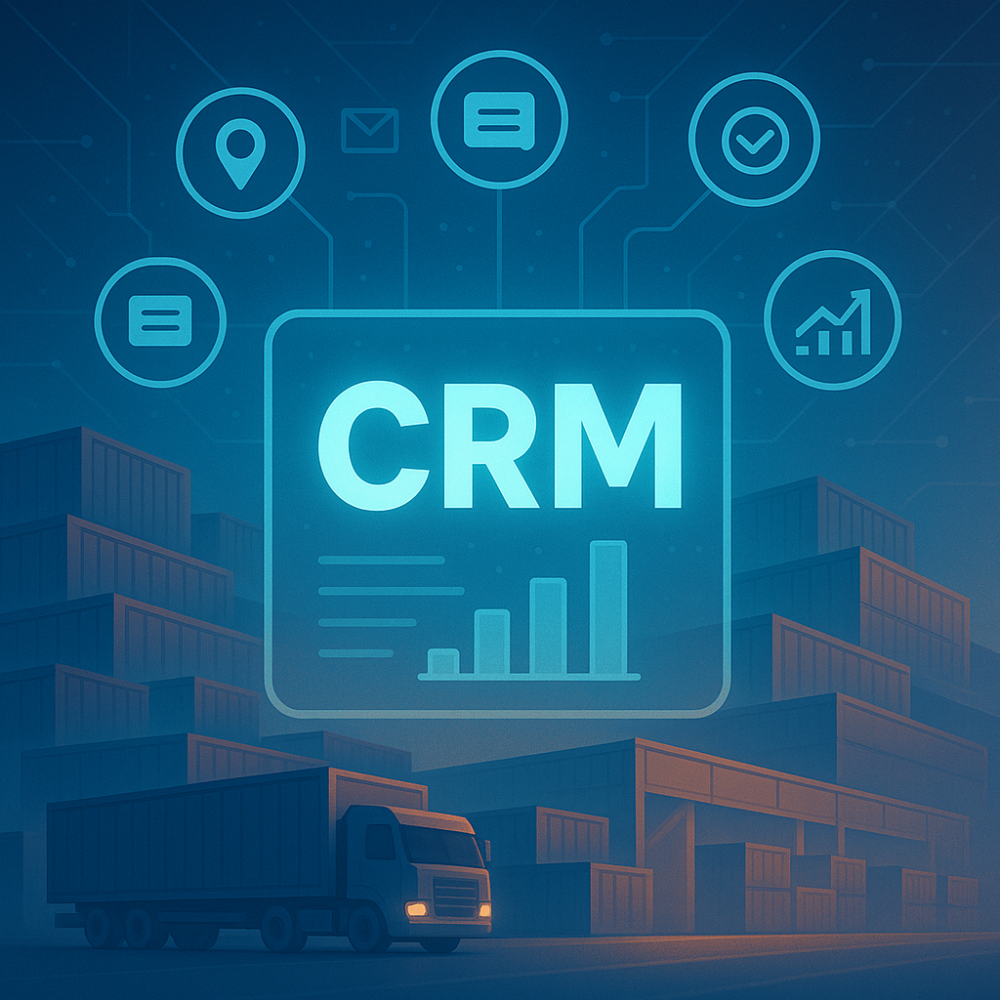
Why logisticians fear CRM more than customs inspectors
Customs vs. Digital Order
Border inspectors have always been a source of stress for logistics professionals: a delay, a fine, or a misunderstanding can wipe out margins. But today, a different phrase is increasingly being heard: "The only thing worse than an inspector is implementing a CRM." And this is no joke. Implementing a digital system causes companies just as much anxiety as any inspection.
What's the root of fear?
CRM disrupts traditional business logic.
- Complete transparency. All transactions, calls, and correspondence become visible to management. There will be no more "secret clients" and "personal notebooks."
- Discipline. Managers must record every step. No more "I'll call tomorrow if I remember."
- Costs. CRM implementation requires time, money, and staff training.
- Resistance. People fear that software will replace their functions or increase their control.
What does a business gain?
Nevertheless, companies that have passed this stage benefit:
- Customer base protection. Contacts don't disappear when an employee leaves.
- Real numbers. Managers see objective statistics, not just "feelings."
- Processing speed. No chaos in calls and emails; everything is systematized.
- Scalability. The business can grow without losing control.
Why do logistics professionals resist the most?
CRM implementation is particularly difficult in logistics. The industry is conservative: many still work over the phone and believe that personal connections are more important than any system. For them, switching to a CRM is like swapping an old paper atlas for a GPS: convenient, but unfamiliar and scary.
Case Studies
An international trucking company implemented a CRM and increased repeat orders by 25% within a year because the system reminded managers of clients. Another player in the rail industry implemented a CRM "for reporting," but failed to get employees to enter data—the system was idle, and the project failed. The difference isn't in the software, but in discipline.
The Future of CRM in Logistics
In 2-3 years, CRM will cease to be a "horror story" and become the standard. The question isn't "to implement or not to implement," but "when and which one." Companies that delay risk being left behind: customers increasingly expect transparency, speed, and a digital approach.
Results
CRM isn't an enemy, but a mirror. It reveals the real state of a business and eliminates chaos. Logisticians fear it because the system disrupts the established order, but it's precisely this transparency that makes a company stronger. Those who take the plunge will be ahead.