Latest posts


Nov 25
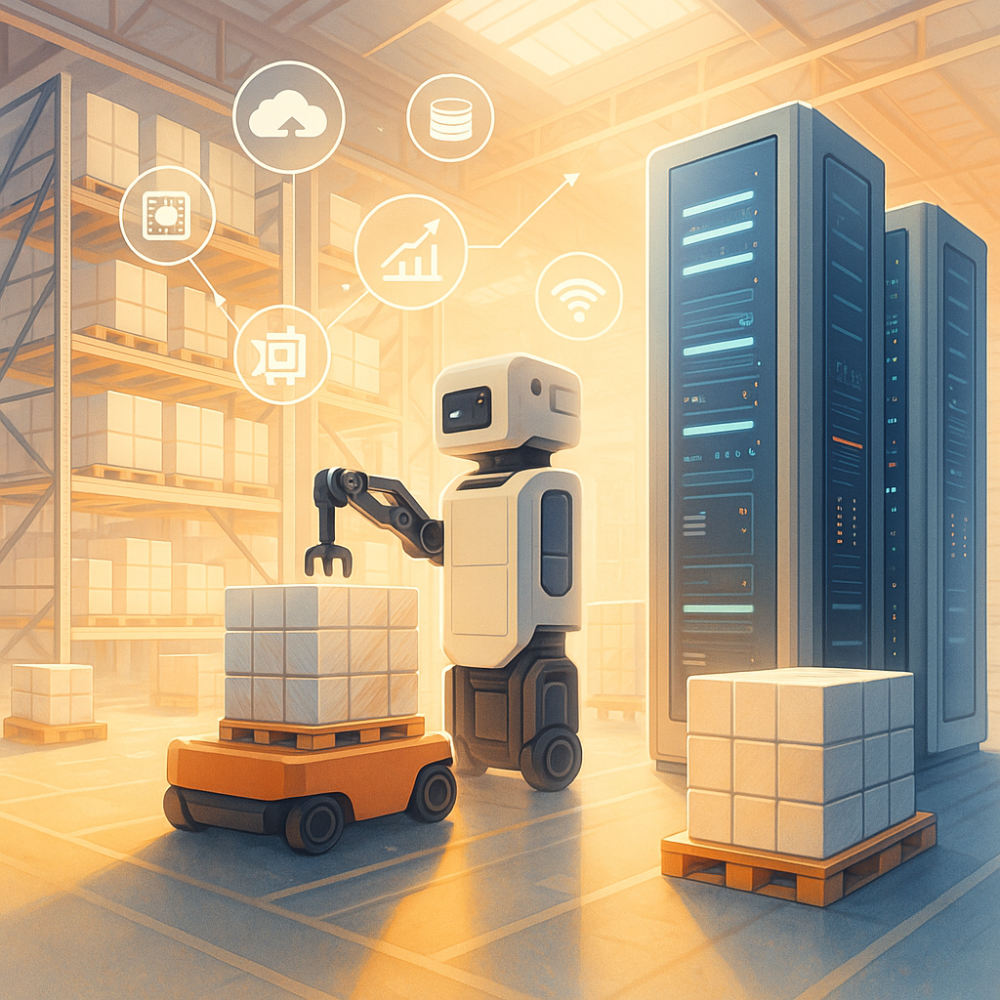
Why warehouses are turning into data centers: A 2025 trend
A warehouse is no longer just a "box."
Warehouses used to be associated with concrete walls, shelving, and forklifts. Today, they increasingly resemble digital platforms, where value is derived not from square footage but from data. By 2025, warehouses will effectively become data centers: without IT, it's no longer possible to build competitive management systems.
Data as a new commodity
Every product movement is recorded, every order is processed through digital systems. Today's warehouse is more than just a storage location, but a source of colossal amounts of data: on demand, seasonality, routes, and customer habits. This data allows companies to optimize purchasing, forecast demand, and reduce costs.
Robots, Sensors, and Algorithms
Modern warehouses are becoming increasingly technologically advanced: inventory drones, picking robots, and sensors monitoring temperature and humidity. All these devices generate information that must be stored, processed, and used for management. This is why warehouses are beginning to resemble data centers, where the focus isn't on the items themselves, but on the information about them.
Business Impact
Companies that previously viewed warehouses as "expenses" now understand that they can become a source of profit. Data analysis reduces errors, improves planning, and reduces storage costs. And for customers, this also means transparency: they can see what's happening with their goods in real time.
Why is this a trend?
The main difference between the warehouse of the future and the warehouse of the past is its integration into a unified digital ecosystem. In 2025, a warehouse cannot be considered separately from ERP, CRM, or transportation systems. It is becoming a hub where physical and digital processes merge.
Results
Today's warehouse is more about IT than concrete. And the winners are those companies that recognized the value of data early on. For them, a warehouse is no longer just a storage location, but a flow control center, without which it is impossible to build modern logistics.