Latest posts


Apr 09
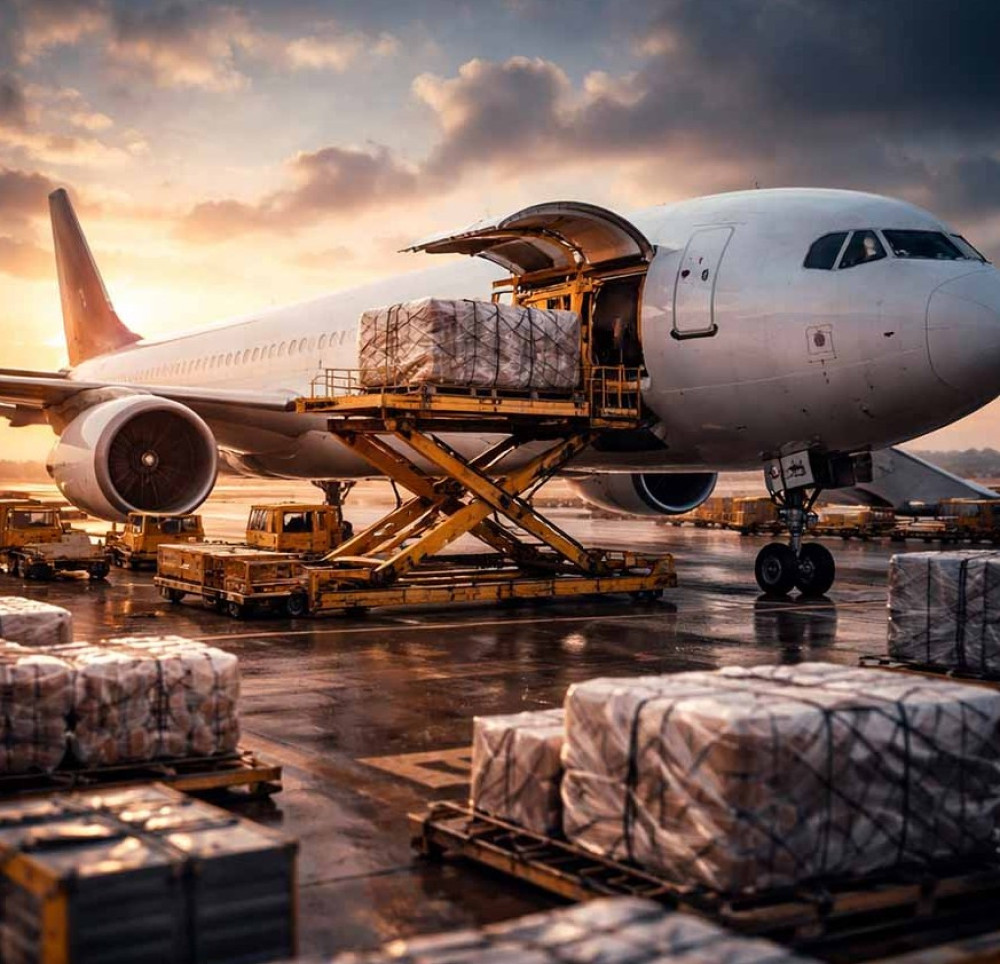
Charter Transportation: Emergency Solution or a New Business Model
Introduction
Why are charter transports, long perceived as a tool for emergency situations, increasingly used in regular logistics? Why are companies that previously relied on standard routes and schedules beginning to incorporate charter solutions into their operating models? In 2026, charter is no longer an exception and is gradually becoming one of the elements of delivery strategy.
The main reason lies in the changing structure of logistics. Unstable lead times, congested routes, and high variability in supply chains mean that standard solutions no longer provide the required level of control. In such conditions, charter transport becomes a way to manage uncertainty, ensuring predictability where it is lacking. However, this raises a key question: is charter a sustainable model, or merely a temporary response to instability?
Why charter is no longer an exception
Initially, charter transport was used in situations where standard solutions could not ensure task execution. These included urgent deliveries, non-standard cargo, or critical supply chain disruptions. Charter was seen as an expensive but effective tool for solving a specific problem.
In 2026, the situation changes. Instability becomes a constant factor rather than an exception. This leads companies to use charter not only to resolve disruptions but also to prevent risks. It becomes part of planning rather than just a reaction.
Additionally, the perception of cost is changing. Although charter remains a more expensive solution, its use helps avoid losses associated with delays, penalties, and failed deliveries. As a result, it is increasingly viewed not as a cost burden, but as a way to protect business economics.
Economics of charter transport: logic vs illusion
At first glance, charter transport appears to be an expensive solution that increases costs. In reality, however, its economic evaluation is far more complex. The cost of charter delivery must be considered in the context of the entire supply chain, not as a standalone element.
The key factor lies in comparing costs and losses. If standard delivery leads to delays, this may create additional expenses, including penalties, lost sales, and increased inventory. In such cases, charter can be economically justified despite its higher rate.
However, there is a risk of an illusion of efficiency. Companies may use charter as a universal solution without analyzing its impact on overall economics. This leads to rising costs without systemic effect. As a result, charter becomes not an optimization tool, but a way to compensate for inefficiencies.
Lead time management: the main driver of charters
One of the key reasons for the growth of charter transport is the need to control lead times. In unstable conditions, standard routes do not provide predictability, which complicates planning and increases risks.
Charter allows for more precise time management, as it eliminates dependence on schedules and intermediate links. This makes it especially valuable in situations where timing is critical for the business.
However, it is important to note that this level of control comes at a higher cost. This means that the use of charters must be economically justified, not driven solely by operational needs.
Where the problem begins: charter as a crutch
One of the main mistakes is using charter transport as a way to solve systemic problems. Instead of optimizing processes and eliminating the causes of instability, companies begin to compensate for them with more expensive solutions.
This leads to charter becoming a permanent part of the supply chain, increasing costs and reducing margins. At the same time, the root causes remain unresolved, making the business dependent on costly tools.
Additionally, a habituation effect emerges. Companies begin to perceive charter as the norm, reducing the incentive to optimize. As a result, costs continue to rise while efficiency does not improve.
Hidden costs of charter solutions
In addition to direct expenses, charter transport is associated with a number of hidden costs that often go unnoticed. These costs are related to organization, coordination, and process management.
Key areas of hidden losses:
• high workload on operational teams
• need for urgent preparation and approvals
• risk of errors due to accelerated processes
• dependence on limited resources
These factors increase total cost and complicate management. As a result, the real cost of charter transport is higher than it appears at first glance.
How business behavior is changing
In 2026, companies are becoming more deliberate in their use of charters. They no longer see them as a universal solution, but as a tool to be applied in specific scenarios.
Analysis becomes key. Companies evaluate where charter truly creates value and where it merely increases costs. This enables more efficient resource management.
Additionally, integration is strengthening. Charter solutions are increasingly viewed as part of the overall logistics strategy rather than as a separate element. This improves efficiency and reduces risks.
Mistakes of carriers and clients
Carriers often use charter as a way to increase revenue, offering it as a solution for a wide range of tasks. This leads to its application in situations where it is not justified.
Clients, in turn, may underestimate long-term consequences. Using charters without analysis leads to rising costs and reduced efficiency.
There is also a transparency issue. A lack of full information about total costs and risks complicates decision-making.
Non-obvious trends: charter as a strategic element
One of the key trends is the integration of charter transport into strategy. Companies begin to use it as a risk management tool, not just as a reactive measure.
This includes planning, building backup scenarios, and integrating charters with other modes of transport. This approach increases resilience and reduces the impact of instability.
Additionally, the role of data is growing. The ability to forecast the need for charters allows companies to optimize their use.
Conclusion: tool or dependency
The key conclusion is that in 2026 charter transport is no longer just an expensive delivery option, but an indicator of the overall state of a company’s logistics system. Its use reveals where a company controls its processes and where it compensates for instability through increased costs. In this sense, charter is not only a tool, but also a signal of supply chain management quality.
The economic efficiency of charters is determined not by their cost, but by the context of their use. When applied selectively—to protect critical shipments, manage risks, or maintain contractual obligations—they create value and strengthen business resilience. However, when used systematically without analysis, charter begins to replace an inefficient logistics model, becoming a постоян source of cost.
Importantly, charter amplifies existing problems. It does not eliminate instability, but merely reduces its consequences while increasing financial pressure. As a result, a business may demonstrate external delivery stability while internally accumulating hidden costs that gradually reduce margins and competitiveness.
In 2026, the winners are those companies that can distinguish necessity from dependency. They use charter as a controlled tool within the system, not as a reaction to every problem. This requires process transparency, a full understanding of economics, and a willingness to rethink the core logistics model. Those who fail to do so face a situation where charter ceases to be a solution and becomes part of the problem, reinforcing inefficiency and increasing the cost of each subsequent operation.
Your experience matters! Take a short survey and see how others answered. Take part